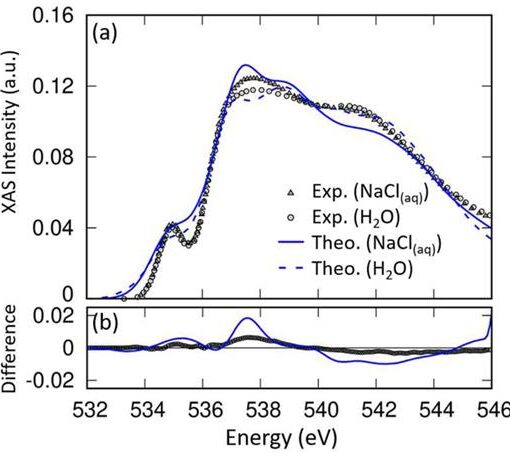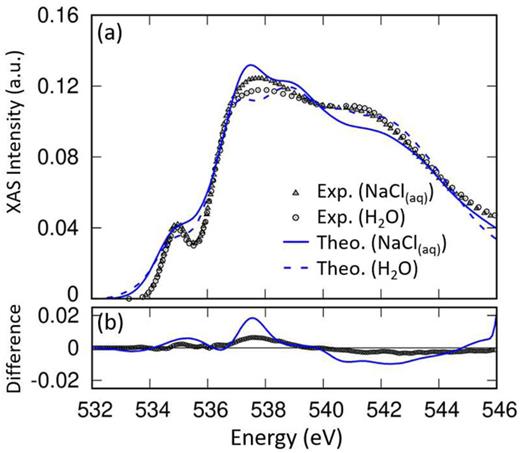
Bingjia Yang, Pinchen Xie and Roberto Car, npj Computational Materials, 10, Article number: 241 (2024)
URL: https://doi.org/10.1038/s41524-024-01431-2
Bingjia Yang, Pinchen Xie and Roberto Car, npj Computational Materials, 10, Article number: 241 (2024)
URL: https://doi.org/10.1038/s41524-024-01431-2
Fujie Tang, Kefeng Shi and Xifan Wu, J. Chem. Phys., 159, 174501 (2023) URL: https://doi.org/10.1063/5.0167999
Cunzhi Zhang, Marcello Puligheddu, Linfeng Zhang, Roberto Car and Giulia Galli, J. Phys. Chem. B, 127, 31, 7011-7017 (2023) URL: […]
Amartya Bose and Peter L. Walters, J. Chem. Theory Comput. 18, 7, 4095-4108 (2022) URL: https://doi.org/10.1021/acs.jctc.2c00163
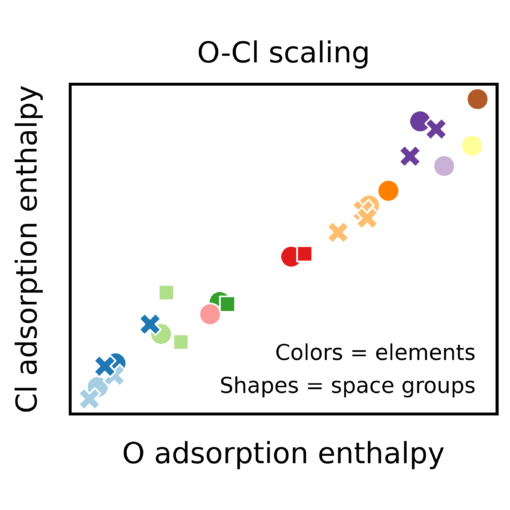
Robert B. Wexler and Emily A. Carter, Advanced Theory and Simulations/Early Review/Research Article, 2200592 (2022) URL: https://doi.org/10.1002/adts.202200592